BERNADINE KAYLA KRISTILA

“The IB curriculum is not treated as a mere academic framework but as an instrument for shaping well rounded individuals.”

BERNADINE KAYLA KRISTILA
GRADUATED: 2022

1. How long were you in Sekolah Ciputra? Starting from what grade until what grade?
I attended Sekolah Ciputra from PYP 5 through Grade 12, for approximately 8 years.

2. After graduating from Sekolah Ciputra, where do you study? What is your major?
I studied at the University of Nottingham Ningbo China, majoring in Finance, Accounting and Management.

3. What did you do after graduating from university?
After graduating from university last year, since it was challenging to secure a job in China, I decided to return to Indonesia and immediately began job hunting. At the same time, I have been continuing to upskill myself with abilities both related and unrelated to my major.

4. What is your current occupation?
I am working as a Risk Assurance Associate in Governance, Risk, and Compliance at PwC, one of the Big Four global accounting firms, currently based in the Jakarta office.

5. What was the biggest challenge of moving to a new city?
Although adapting to a new environment is quite challenging, moving to Jakarta has not been as difficult as when I first moved to China for university. However, homesickness remains a challenge for me, as I miss being close to my family in Surabaya. Despite this, I am fortunate to have friends in Jakarta whom I can meet and talk with, which certainly helps alleviate homesickness.

6. What do you enjoy most about your new environment?
Definitely public transportation. Although it is not yet as developed as the ones in China, it still fulfils its purpose of enhancing mobility and connectivity for users like me. With the ongoing and planned upgrades announced, I can see myself using public transportation to various places in the Jabodetabek area more frequently in the foreseeable future.

7. In what way did Sekolah Ciputra contribute to your job right now?
As an IB Continuum School, the IB curriculum at Sekolah Ciputra not only strengthened my academic and practical skills but also instilled a mindset of inquiry, resilience, and adaptability that became the foundation for my university studies and now my professional career. The rigour of the subject content sharpened my analytical and problem solving abilities, while the diverse assessment formats – essays, coursework, presentations, and exams – trained me to communicate ideas persuasively, manage time effectively, and approach challenges with confidence. This holistic preparation gave me the ability to produce high quality work under pressure, a skill that has proven invaluable in the workplace.
Equally transformative was the multicultural environment, which pushed me beyond my comfort zone and taught me the importance of empathy, courage, and open mindedness in building meaningful connections. Collaborating with peers from different cohorts and teachers from diverse backgrounds exposed me to a wide range of perspectives, shaping my ability to navigate cultural differences with respect and curiosity. These experiences carried forward into university and my current role, where engaging with colleagues of varied ages, nationalities, and professional backgrounds has enriched my worldview. The exchange of insights – whether it’s about culture, habits, or opinions – has not only broadened my understanding but also enhanced my capacity to contribute thoughtfully in collaborative settings.

8. What was the best thing about Sekolah Ciputra? Tell us something memorable from your time at Sekolah Ciputra
The school productions were undoubtedly the most distinctive extracurricular experiences at Sekolah Ciputra, unlike anything I have seen in other schools. They demanded significant time and energy, yet the rewards were profound – combining creativity, discipline, and teamwork into a single endeavour. My role in the media and documentation team allowed me to collaborate across departments – props, costumes, makeup, music, and acting – while honing my ability to coordinate, communicate, and adapt in dynamic settings. Capturing and curating the highlights of productions such as Janji Engtay (2018), 3 Idiots (2019), and Jaka Tarub (2020) taught me not only technical skills in media but also the importance of storytelling and preserving collective memory. Although COVID forced us to suspend all production activities at that time, the lessons I carried from those experiences remain deeply ingrained.

9. What advice would you give to a graduating student?
There is no fixed deadline for having everything ‘sorted out,’ as everyone’s pace and purpose in life differ. Therefore, focus on your own progress and learn to adapt to the unexpected events that life may bring.

10. Would you recommend Sekolah Ciputra to others? If yes, what would you say about it?
Absolutely. Sekolah Ciputra truly embodies its motto – Non Scholae Sed Vitae Discimus (‘We do not learn for school, but for life’) – by fostering a supportive environment that integrates holistic learning with character development. The IB curriculum is not treated as a mere academic framework but as an instrument for shaping well rounded individuals who are prepared to contribute meaningfully to society. Beyond academic rigour, Sekolah Ciputra’s ability to balance its international outlook with local cultural values anchors students to their roots, cultivating a sense of identity and responsibility toward their community. Thus, Sekolah Ciputra equips its students with the mindset and skills to navigate complexity, embrace diversity, and lead with purpose in an interconnected world.
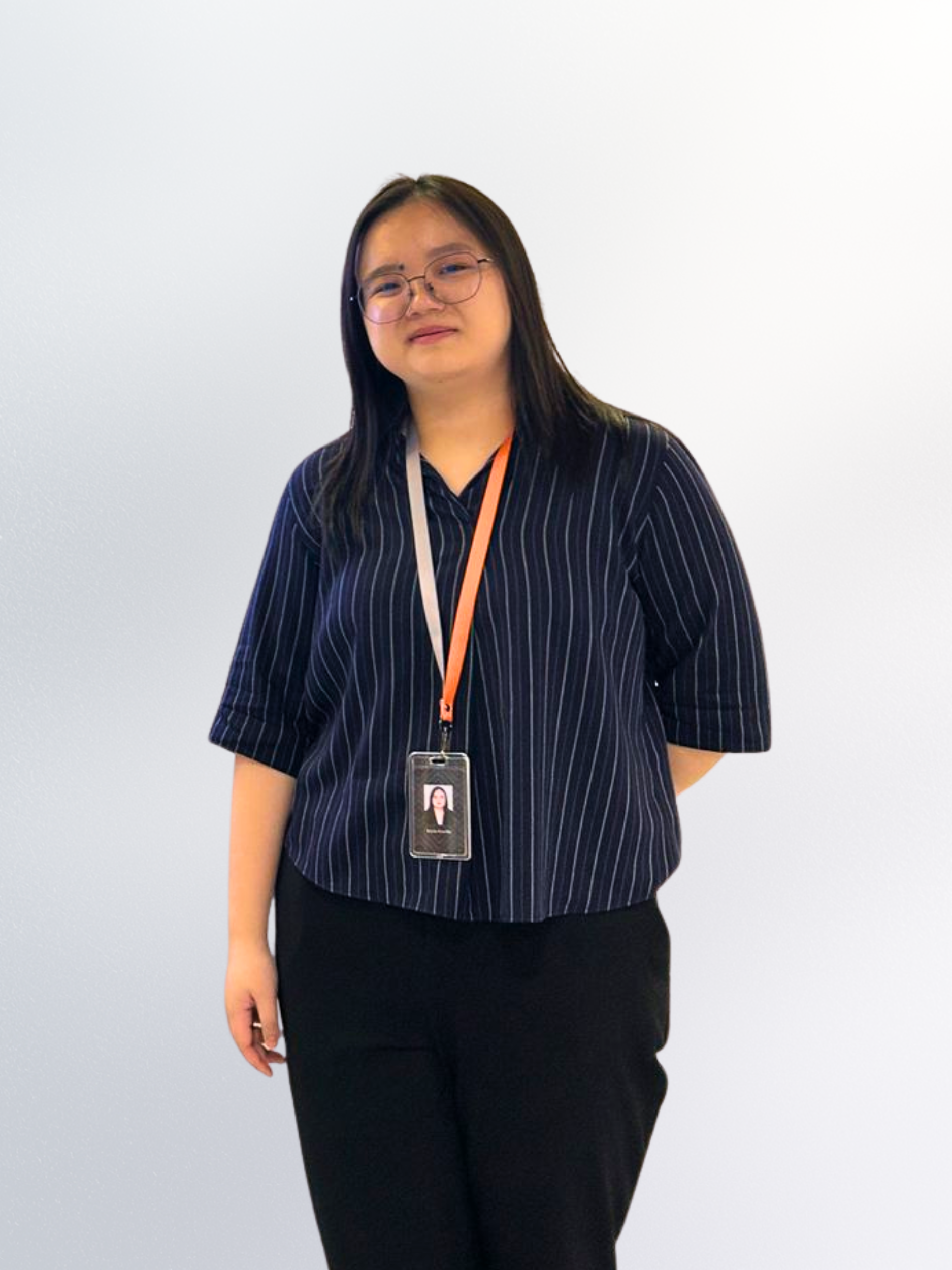
BERNADINE KAYLA KRISTILA

“The IB curriculum is not treated as a mere academic framework but as an instrument for shaping well rounded individuals.”

BERNADINE KAYLA KRISTILA
GRADUATED: 2022

1. How long were you in Sekolah Ciputra? Starting from what grade until what grade?
I attended Sekolah Ciputra from PYP 5 through Grade 12, for approximately 8 years.

2. After graduating from Sekolah Ciputra, where do you study? What is your major?
I studied at the University of Nottingham Ningbo China, majoring in Finance, Accounting and Management.

3. What did you do after graduating from university?
After graduating from university last year, since it was challenging to secure a job in China, I decided to return to Indonesia and immediately began job hunting. At the same time, I have been continuing to upskill myself with abilities both related and unrelated to my major.

4. What is your current occupation?
I am working as a Risk Assurance Associate in Governance, Risk, and Compliance at PwC, one of the Big Four global accounting firms, currently based in the Jakarta office.

5. What was the biggest challenge of moving to a new city?
Although adapting to a new environment is quite challenging, moving to Jakarta has not been as difficult as when I first moved to China for university. However, homesickness remains a challenge for me, as I miss being close to my family in Surabaya. Despite this, I am fortunate to have friends in Jakarta whom I can meet and talk with, which certainly helps alleviate homesickness.

6. What do you enjoy most about your new environment?
Definitely public transportation. Although it is not yet as developed as the ones in China, it still fulfils its purpose of enhancing mobility and connectivity for users like me. With the ongoing and planned upgrades announced, I can see myself using public transportation to various places in the Jabodetabek area more frequently in the foreseeable future.

7. In what way did Sekolah Ciputra contribute to your job right now?
As an IB Continuum School, the IB curriculum at Sekolah Ciputra not only strengthened my academic and practical skills but also instilled a mindset of inquiry, resilience, and adaptability that became the foundation for my university studies and now my professional career. The rigour of the subject content sharpened my analytical and problem solving abilities, while the diverse assessment formats – essays, coursework, presentations, and exams – trained me to communicate ideas persuasively, manage time effectively, and approach challenges with confidence. This holistic preparation gave me the ability to produce high quality work under pressure, a skill that has proven invaluable in the workplace.
Equally transformative was the multicultural environment, which pushed me beyond my comfort zone and taught me the importance of empathy, courage, and open mindedness in building meaningful connections. Collaborating with peers from different cohorts and teachers from diverse backgrounds exposed me to a wide range of perspectives, shaping my ability to navigate cultural differences with respect and curiosity. These experiences carried forward into university and my current role, where engaging with colleagues of varied ages, nationalities, and professional backgrounds has enriched my worldview. The exchange of insights – whether it’s about culture, habits, or opinions – has not only broadened my understanding but also enhanced my capacity to contribute thoughtfully in collaborative settings.

8. What was the best thing about Sekolah Ciputra? Tell us something memorable from your time at Sekolah Ciputra
The school productions were undoubtedly the most distinctive extracurricular experiences at Sekolah Ciputra, unlike anything I have seen in other schools. They demanded significant time and energy, yet the rewards were profound – combining creativity, discipline, and teamwork into a single endeavour. My role in the media and documentation team allowed me to collaborate across departments – props, costumes, makeup, music, and acting – while honing my ability to coordinate, communicate, and adapt in dynamic settings. Capturing and curating the highlights of productions such as Janji Engtay (2018), 3 Idiots (2019), and Jaka Tarub (2020) taught me not only technical skills in media but also the importance of storytelling and preserving collective memory. Although COVID forced us to suspend all production activities at that time, the lessons I carried from those experiences remain deeply ingrained.

9. What advice would you give to a graduating student?
There is no fixed deadline for having everything ‘sorted out,’ as everyone’s pace and purpose in life differ. Therefore, focus on your own progress and learn to adapt to the unexpected events that life may bring.

10. Would you recommend Sekolah Ciputra to others? If yes, what would you say about it?
Absolutely. Sekolah Ciputra truly embodies its motto – Non Scholae Sed Vitae Discimus (‘We do not learn for school, but for life’) – by fostering a supportive environment that integrates holistic learning with character development. The IB curriculum is not treated as a mere academic framework but as an instrument for shaping well rounded individuals who are prepared to contribute meaningfully to society. Beyond academic rigour, Sekolah Ciputra’s ability to balance its international outlook with local cultural values anchors students to their roots, cultivating a sense of identity and responsibility toward their community. Thus, Sekolah Ciputra equips its students with the mindset and skills to navigate complexity, embrace diversity, and lead with purpose in an interconnected world.